Synthetic Sapphire Manufacturing: Exploring Key Production Processes
14 April 2025
Applications of Synthetic Sapphire: From Watches to Aerospace
9 July 2025Synthetic Sapphire Manufacturing: Exploring Key Production Processes
14 April 2025Applications of Synthetic Sapphire: From Watches to Aerospace
9 July 2025Exploring the Optical Properties of Synthetic Sapphire
8 May 2025 – ⏱ 5 min Read
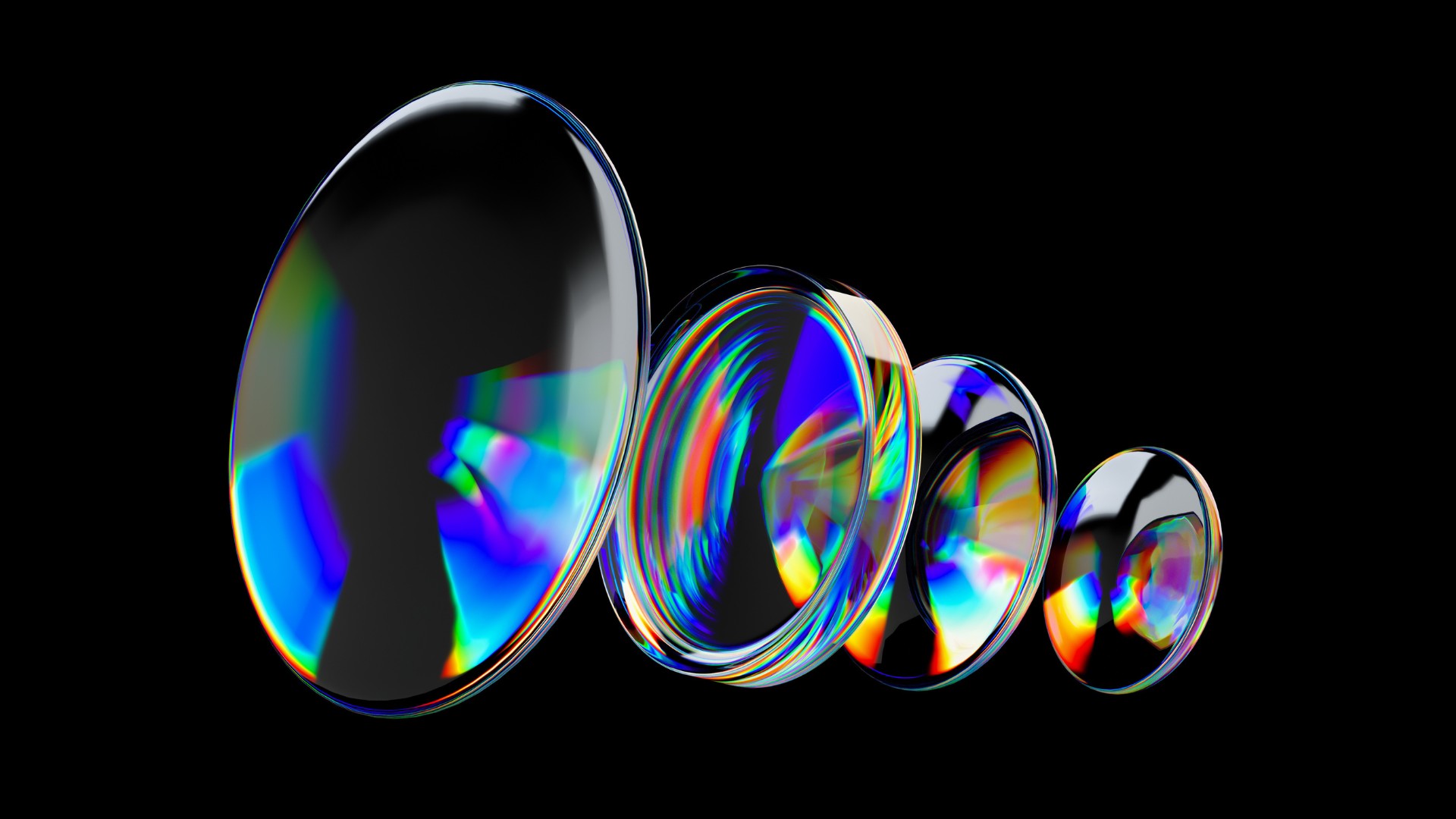
Synthetic sapphire is revered for its remarkable optical properties, making it an essential material in high-tech industries that rely on precision and clarity. From consumer electronics to advanced scientific equipment, synthetic sapphire’s ability to manipulate light is key to its widespread use. In this article, we delve into its optical properties, highlighting what sets synthetic sapphire apart from other materials in demanding applications.
Transparency
One of the most outstanding features of synthetic sapphire is its high transparency, which spans a broad range of wavelengths. Unlike many other materials, it allows light to pass through from the ultraviolet (UV) to the infrared (IR) spectrum. This broad optical transmission makes it a popular choice for applications such as camera lenses, scientific instruments, and watch crystals.
In optical systems, transparency is essential for ensuring that light passes through without interference. Synthetic sapphire’s ability to maintain this clarity under extreme conditions is crucial in industries where durability is just as important as optical performance.
Refractive Index
The refractive index of synthetic sapphire, ranging from 1.76 to 1.77, contributes to its optical clarity and brilliance. This property is especially important in applications where precise light transmission is necessary. The high refractive index ensures minimal distortion and excellent image quality, making synthetic sapphire an ideal choice for camera lenses, microscopes, and other precision instruments.
Birefringence and Optical Anisotropy
While synthetic sapphire’s optical clarity is a primary selling point, its birefringence (the splitting of light into two distinct paths) adds another layer of complexity. Birefringence can be an advantage in some optical applications, such as polarising filters. Additionally, its optical anisotropy (variation of optical properties depending on the direction of light) is valuable in specialised technologies, offering more precise light control in advanced optical systems.
Conclusion
The optical properties of synthetic sapphire — its transparency, refractive index, birefringence, and optical anisotropy — make it indispensable in modern technology. Its versatility and ability to perform under extreme conditions ensure it remains a top choice for industries from consumer electronics to aerospace.
Discover how we aim to tailor our sustainable synthetic sapphire glass to suit your specific application needs by contacting our Sales & Marketing Manager, Derek Bogaert, at hello@alphasapphire.com for further information.